
Biodynamic wine : Our selection
Explore our selection of biodynamic wines from estates committed to viticulture that respects nature and lunar cycles. Discover authentic cuvées, carefully crafted to reveal the full richness of their terroir and offer pure, intense flavors. Whether you're looking for an exceptional wine for a special occasion, or a bottle to share on a daily basis, our biodynamic wines will delight all lovers of natural wines.
Passionate about sustainable agriculture? Discover our "Coups de Coeur" organic and biodynamic wines, rigorously selected by our sommelier to satisfy the most demanding palates.


Bio
SO² free
Bio
SO² free
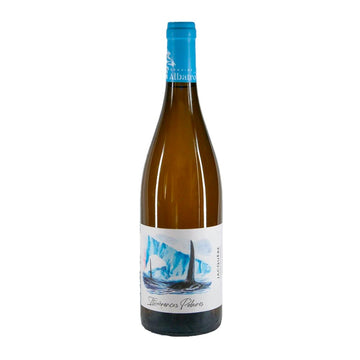
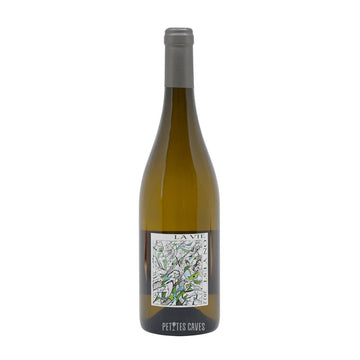
2024 full of energy!
Domaine des Albatros
Savoy Wine White 2024
23,90 €
Bio
New
Gramenon's white cannon
Domaine Gramenon
Côtes du Rhône White 2025
24,20 €
Bio
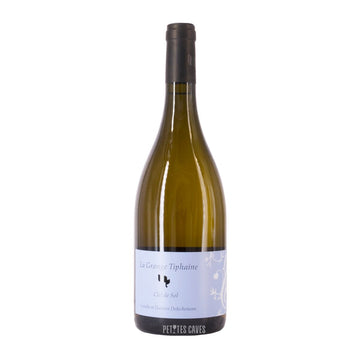
One of our favorites ;)
Domaine de la Grange Tiphaine
Montlouis-sur-Loire White 2024
24,30 €
Bio
SO² free
Bio
SO² free
Dense and fruity
Château Barouillet
Vin de France White 2024
24,50 €
Bio
SO² free

Favorite
Bio
But what a white! Superb balance etc...
Domaine Inebriati
Vin de France 2024
24,90 €

Bio
SO² free
Quintessence of sylvaner
Domaine Julien Meyer
Alsace wine White 2020
25,20 €
Bio
Bio
Bio
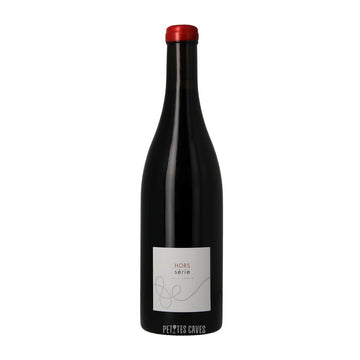
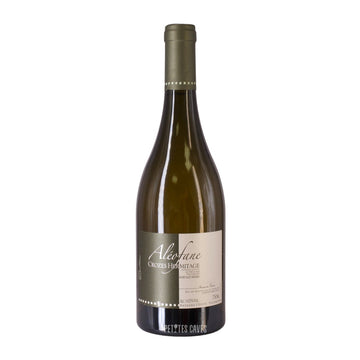
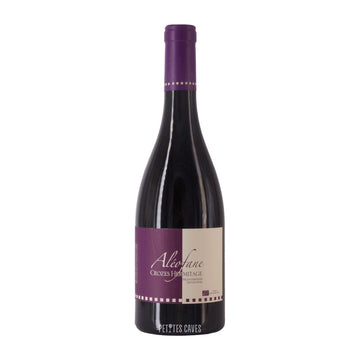
Harmonious floral and spicy!
Domaine Aléofane
Crozes-Hermitage Red 2024
25,90 €
Bio
SO² free
Bio
SO² free
Bio
Bio
SO² free

Bio
New
Ze grande cuvée du Winery
Domaine Landron
Muscadet Sevre et Maine White 2020
27,90 €
Bio
SO² free
New
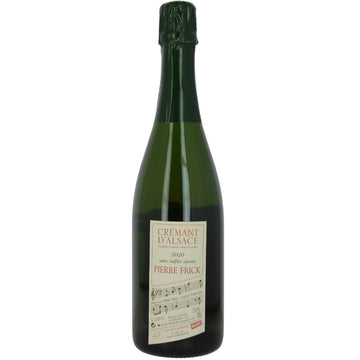
Fine and original
Pierre Frick
Crémant d'Alsace White 2022
28,50 €
Bio
New
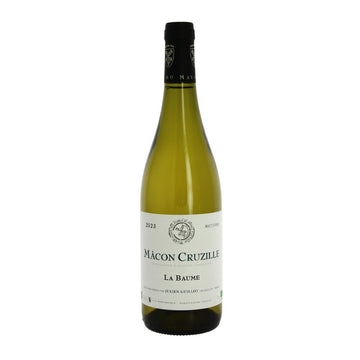
Sublime complexity!
Clos des Vignes du Maynes
Mâcon Cruzille White 2023
28,90 €
Bio
SO² free
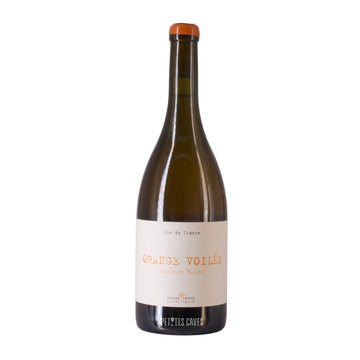
Another unique wine!
Mas del Périé
Vin de France Orange 2024
29,50 €

Bio
SO² free
Bio
SO² free
Favorite
Bio
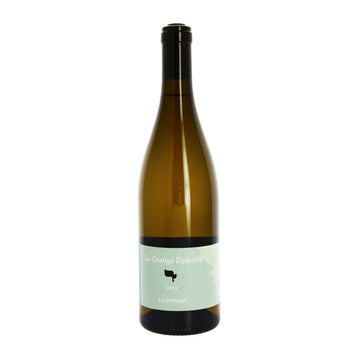
Domaine de la Grange Tiphaine
Touraine Amboise White 2024
29,90 €
Bio
SO² free
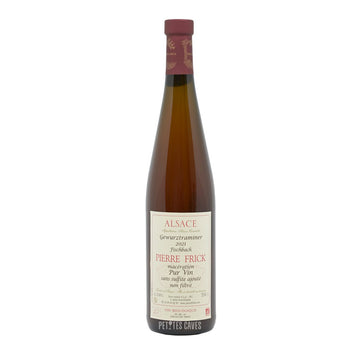
It leaves no one indifferent
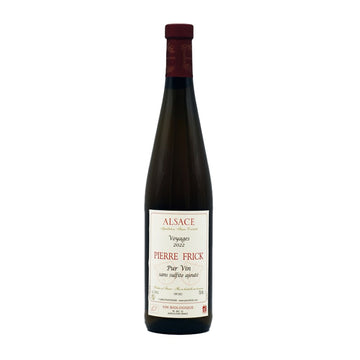
Pierre Frick
Alsace Orange 2021
30,60 €
Learn more about our selection of biodynamic wines:
What is a biodynamic wine?
The biodynamic approach to agriculture was developed by Rudolf Steiner, an Austrian philosopher in the 1920s. He raised several important questions about the effects of fertilisers and pesticides on the soil, cosmic influences on agriculture and the causes of declining food quality. A biodynamic wine pays attention to the vine, the land and those who care for it: in the vineyard and in the cellar, this approach aims to produce healthy wines without chemical intervention. Biodynamic winemakers encourage biodiversity in the vineyard and use the lunar calendar, the stars and their movements. A biodynamic wine is therefore an organic wine that takes a step further in terms of the philosophy and methods used. The winemakers who use this method intensify the life of the soil so that there is a better exchange between the earth and the plant. The technical and practical advantages are multiple: the strength and autonomy of the vine, and a quality of the harvest that allows the making of wines without inputs.
What are the main principles of biodynamics?
All the wines of Petites caves are part of a quality philosophy. Biodynamic wine allows fining and filtering, but chaptalisation only for sparkling wines. However, the use of sulphites is much lower than for organic wines. Biodynamic winemaking takes into account a few additional important principles:
● Follow the lunar cycle: vine and soil work is carried out according to the natural lunar cycles (rising, falling moon, leaf day and root day, etc.). The same applies to racking and bottling.
● Use of phytotherapy: to strengthen the vines and energise the soil, biodynamic viticulture uses plant and mineral sprays. This phytotherapy logic helps to protect the vines from disease or extreme weather conditions.
● No inputs: the permitted additives are much more restrictive than for organic farming and the maximum permitted sulphite levels are about 30% lower.
How is biodynamic wine regulated?
There are no European regulations for biodynamic wine to date. Two organisations are able to grant the biodynamic label: Demeter and Biodyvin. The wine must have already been awarded the organic label and must then meet the specifications of the certifiers. Like the AB label, Demeter is present in 53 countries and imposes the same guarantees of control and certification everywhere.
Biodynamic wine is therefore an organic and natural wine that protects the ecosystem in which it evolves. By using the lunar cycles and phytotherapy, the winegrowers connect the vine with its environment for a healthy wine with subtle aromas.