

Organic wine, synonymous with quality and passion
Wine is officially a natural product because it is "obtained exclusively by the alcoholic fermentationof fresh grapes, whether or not crushed, or of grapes fresh, crushed or not, or musts of grapes" (see its definition in the dictionary). However, in reality, it is far from being that simple! What is really behind the "AB" label? What distinguishes an organic wine from a conventional wine? Go to the bottom of this page or to our FAQ to find out more...

Bio
SO² free
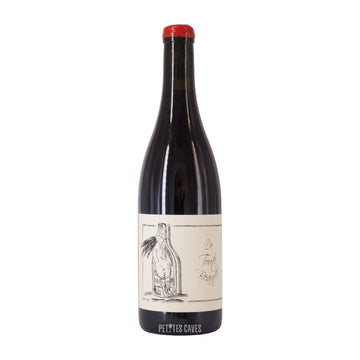
Anne et Jean-François Ganevat
Vin de France Red 2023
27,90 €

Bio
Ze grande cuvée du Winery
Domaine Landron
Muscadet Sevre et Maine White 2020
27,90 €

Bio
New
Bio
New
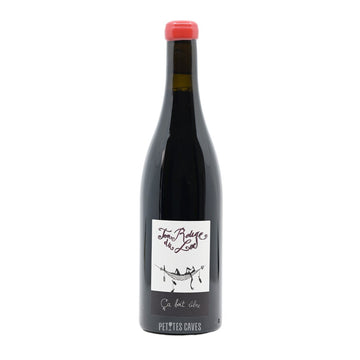
Bio
SO² free
What finesse! It really is!
Damien Bastian
Vin de Savoie Appellation Marignan Red 2023
28,10 €
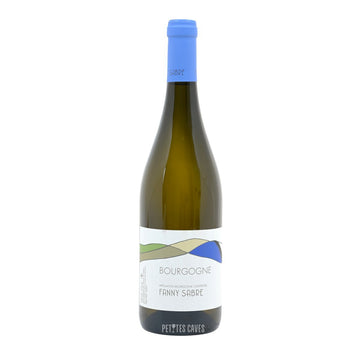
Bio
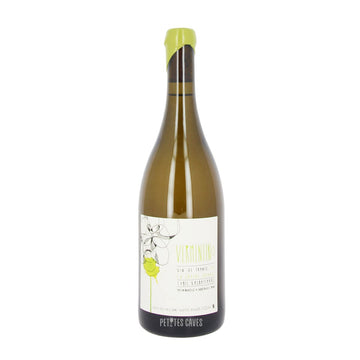
Bio
SO² free
finesse and tension!
La Graine Sauvage
Vin de France White 2020
28,80 €

Favorite
Bio
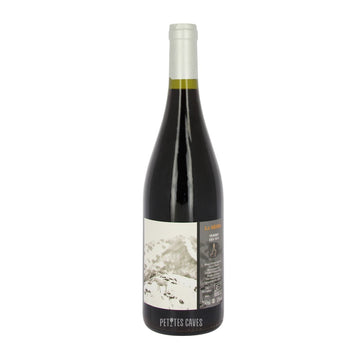
Bio
Guaranteed to be a favourite
Terres des nus
Vin de France Red
28,90 €
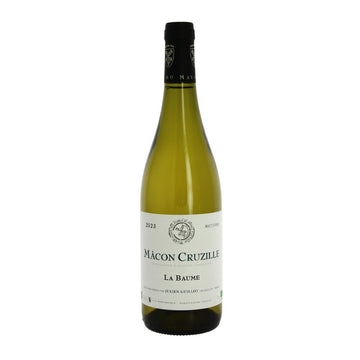
Bio
Sublime complexity!
Clos des Vignes du Maynes
Mâcon Cruzille White 2023
28,90 €
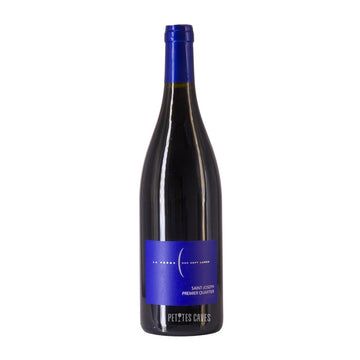
Bio
Always fresh... a vintage that suits it perfectly.
La Ferme des 7 Lunes
Saint Joseph Red 2023
29,50 €
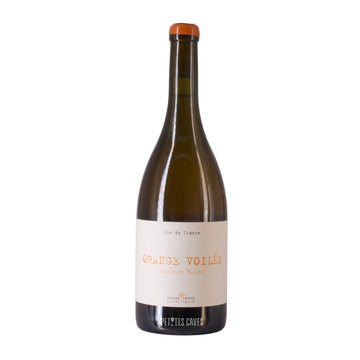
Bio
SO² free
Another unique wine!
Mas del Périé
Vin de France Orange 2023
29,50 €
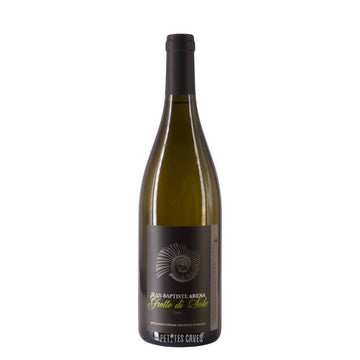
Bio
This is THE plot of Winery.
Jean-Baptiste Arena
Patrimonio White 2023
29,90 €
Bio
young and spirited: wine!
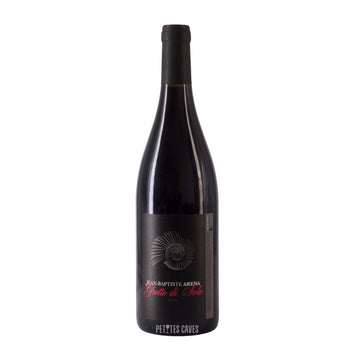
Jean-Baptiste Arena
Patrimonio Red 2022
29,90 €
Bio
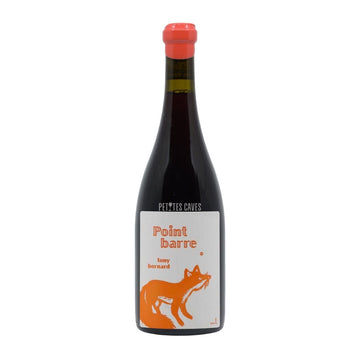
Light but very present in this vintage
Domaine Bornard
Vin de France Red 2022
29,90 €
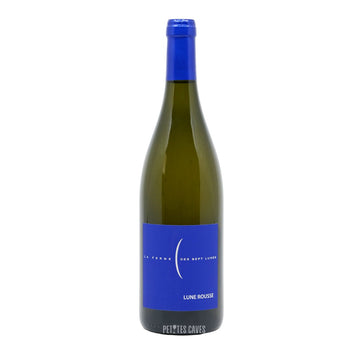
Bio
SO² free
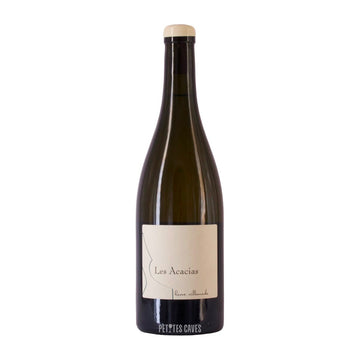
Bio
(re)Discover Romorantin
Domaine Villemade
Cour Cheverny White 2022
29,90 €
Bio
SO² free
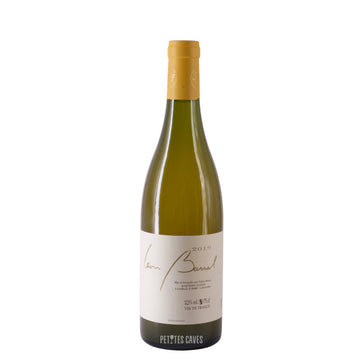
A reference in the SOUTH.
Favourite
Domaine Léon Barral
Vin de France White 2023
29,90 €
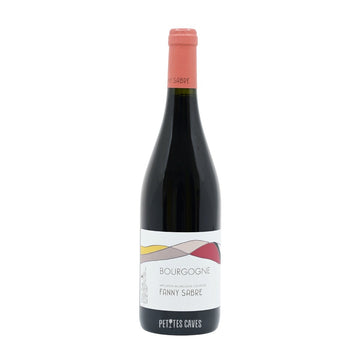
Bio
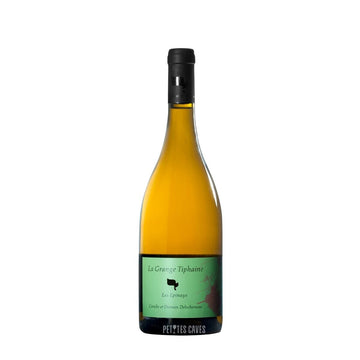
A special Chenin at Les Epinays!
Domaine de la Grange Tiphaine
Montlouis sur Loire Blanc 2022
29,90 €
Bio
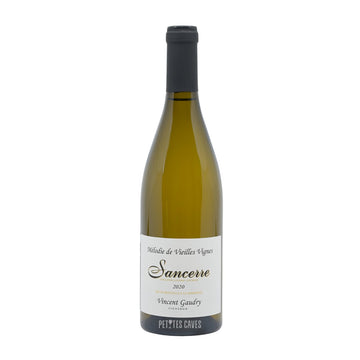
Rich, taut Sancerre
Vincent Gaudry
AOC Sancerre White 2023
29,90 €
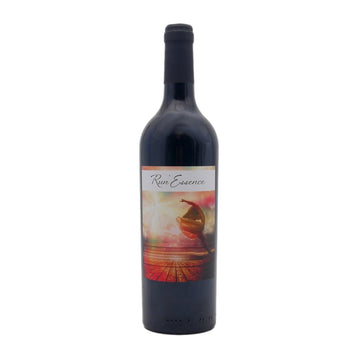
Bio
SO² free
New
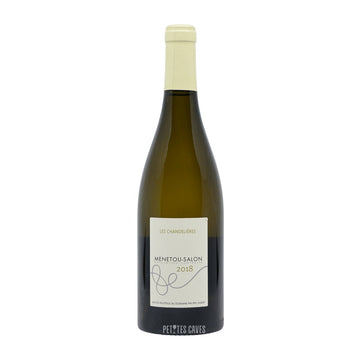
Bio
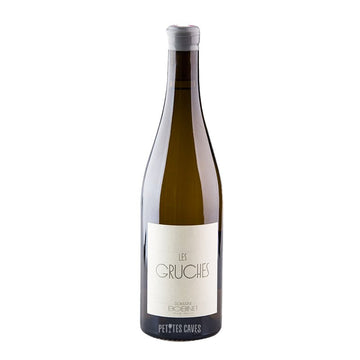
Bio
Organic wine: find out more about our selection
What is an organic wine?
To be entitled to use the Organic Wine label, it is necessary to use cultivation practices that respect the natural balance. A wine from organic viticulture excludes the use of synthetic chemicals and the use of products added to the land and crops such as fertilizers or insecticides. Out of 150,000 wine producers in France, it is estimated that between 1 and 2% of them accept additional constraints to make their wines and obtain healthy grapes. Organic wine is regulated by a European specification:
● no chemicals are used to treat the vines;
● no herbicides are applied to get rid of the grass, which requires mechanical work;
● only permitted natural products, such as composted sheep manure, can be used for fertilisation.
How to obtain the AB organic wine label?
There are 9 private and state-approved certification bodies: Ecocert (which carries out 80% of controls), Agrocert, Qualité-France, Certipaq bio, Certisud, Certis, Bureau Alpes Contrôles, Qualisu and Biotek. Each year, the winegrower notifies his programme by plot to his certification body. Technicians then come and check the production, processing and distribution sites. They assess compliance with the specifications and observe the practices used, the accounting and technical documents. They can also carry out analyses if necessary. The production of organic wine is therefore highly controlled and offers consumers the best guarantees in terms of environmental and health quality. The name or code of the certification body must appear on all organic wines. To find what you are looking for, discover the organic wines by region
How to taste organic wine?
With the birth in 2012 of the "Vin Bio" certification, the French were able to discover the passion and the citizen approach behind the elaboration of organic wines. Coming from the most beautiful wine regions, they accompany convivial moments at home as well as in restaurants. The wine is kept lying down, in a place that is not too dry, and that protects it from light, vibrations and temperature variations that are too important. When opened, the possible presence of gas is normal: this slightly sparkling side is linked to the carbonic gas that protects the wine despite the low level of sulfur. Sensitive and often fragile, it deserves to be aerated in a carafe a few hours before being tasted. This precaution allows it to oxygenate to open up and sublimate all its aromatic complexity. Be careful to follow the recommendations of your wine merchant because not all wines can be decanted!
Further than organic wine, natural wine
A natural wine is a wine produced by organic or biodynamic agriculture, which means that it is vinified as naturally as possible. The winemaker accompanies the wine more than it elaborates it. The Association des Vins Nature defines it as follows: "The healthy grape, picked from a vineyard in harmony with nature, gives a juice which, by fermenting, becomes a natural wine. Ideally, man does not intervene, he accompanies it... By ethics he says what he does, and he does what he says". Favouring organic wine therefore makes it possible to defend values such as craftsmanship, transparency and independence. Natural wines, natural wines, organic wines: whatever the name, they take into account a social and environmental dimension with committed winemakers who respect the earth and the health of consumers.
Benefit from a quality charter
Grapes harvested by hand, vintages with little or no added sulfite, wines made with indigenous yeasts: winemaker works with respect for the soil, the nature of the subsoil, the vines and the grapes. It is an ethical and responsible method to sublimate its terroir while protecting its ecosystem. The quality of the organic wine is privileged to the quantity. Harvesting is manual rather than mechanical and only indigenous yeasts are allowed to start the fermentation. The use of sulphur is minimal, or even non-existent: this is what we call a wine without added sulphite. All processes are designed to preserve the soul of the wine and guarantee the natural reflection of the juice: little or no racking, aging on lees, low filtration, etc. Petites Caves is part of the Syndicat de Défense des Vins Nature'l since 2010 ; to learn more about it, visit their website: vinmethodenature.org
More than just a wine, organic/natural wine is a philosophy: that of a communion with nature and respect for the product. The grape is not transformed, but rather accompanied in a process of sublimation that allows it to reveal all its most subtle aromas.