


The best of Vin doux
Discover our selection of vins doux naturels, moelleux and liquoreux on Petites Caves. Flavors rich in candied fruits, honey and spices, perfect to accompany your desserts, cheeses or gourmet moments. Explore unique cuvées from winemakers committed to organic and natural viticulture.

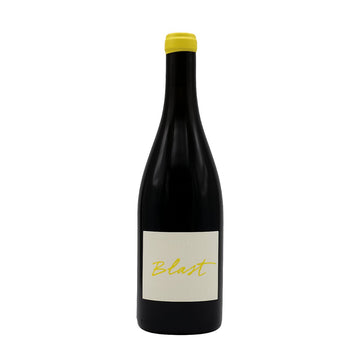
Bio
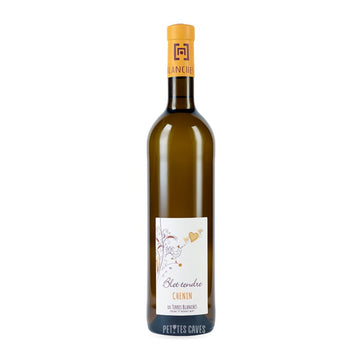
Bio
What energy!
Les Terres Blanches
Vin de France White 2023
17,90 €
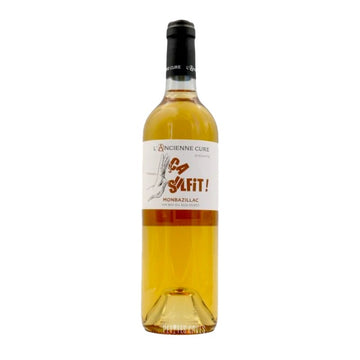
Bio
SO² free
Fresh, taut liquor
Domaine Ancienne Cure
Montbazillac White 2023
14,50 €

Bio
Here's some Basque cider!
Domaine Bordatto
Cider 2023
9,50 €
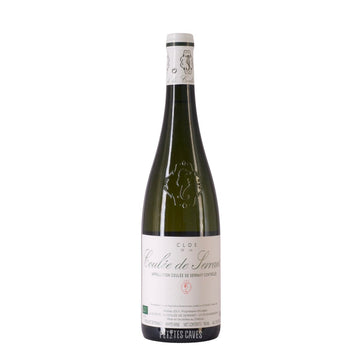
Bio
Coulée de Serrant
Coulée de Serrant White 2022
85,00 €
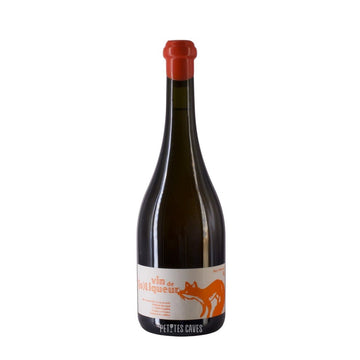
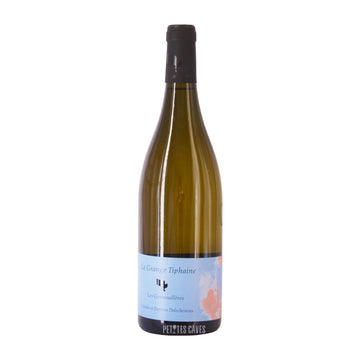
Bio
Very nice, tender wine
Domaine de la Grange Tiphaine
Montlouis sur Loire White 2023
25,90 €
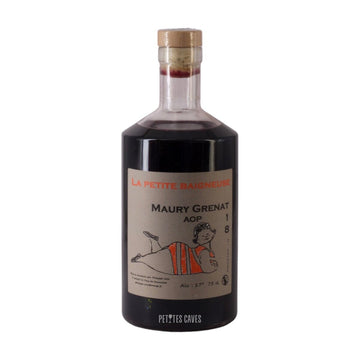
Bio
On sale!
Power and finesse
La Petite Baigneuse
Maury Red
35,90 €
30,50 €
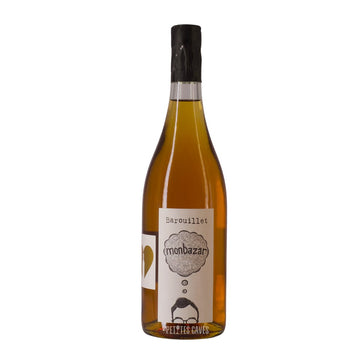
Bio
SO² free
Bio
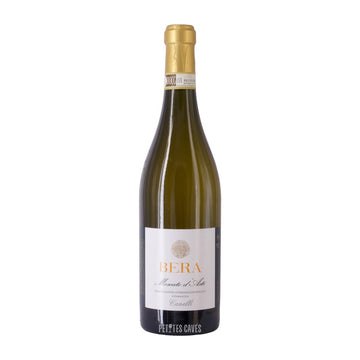
Terribly good!
Azienda Agricola Bera Vittorio e Figli
DOCG Canelli Moscato White 2024
20,90 €
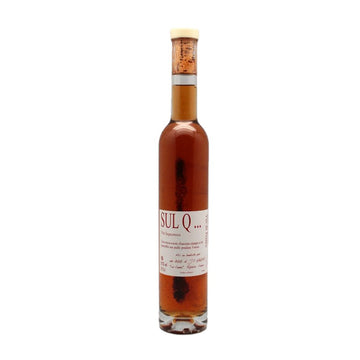

New
Domaine Morel
Côtes du Jura White 2013
33,50 €
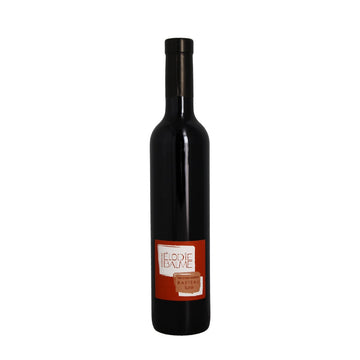
jump at the chance.
Elodie Balme
Vin Doux Naturel Rasteau Red 2022
16,90 €
Sweet wines: our selection
What are the characteristics of sweet wines?
Sweet wines are distinguished by their high residual sugar content, giving them a natural sweetness that makes them particularly pleasant on the palate. They can be made from a variety of grape varieties, such as Muscat, Sauvignon or Chenin Blanc, and are often the result of specific winemaking methods, such as over-ripening the grapes, noble rot orstopping fermentation.
These wines boast a rich, complex aromatic palette, often dominated by notes of candied fruit, honey,spices and sometimes floral notes. The velvety texture of sweet wines, combined with balanced acidity, creates a mouthfeel that is both opulent and refreshing. Styles can vary considerably, from sweet wines to vins liquoreux and vins doux naturels, each offering a unique experience.
Sweet wines are often enjoyed as dessert or aperitif wines, and can also accompany a variety of dishes, creating surprising and memorable taste pairings.
What is the winemaking process for sweet wines?
The winemaking process for sweet wines can vary according to the specific methods used to produce the sweetness. One of the most widespread techniques is over-ripening of the grapes, where the grapes are left on the vine longer than usual, allowing the sugars to concentrate through dehydration. This often happens in warm regions, where the climate favors optimal ripening.
Another common method is noble rot, which is the result of an attack by a fungus called Botrytis cinerea. This fungus causes partial dehydration of the grapes, concentrating sugars and aromas. Sauternes and certain Alsace wines are emblematic examples.
Finally, some sweet wines are made by stopping fermentation before all the sugars have been converted into alcohol, resulting in mellow wines. This process, often carried out by cooling or adding alcohol, preserves some of the natural sugars. Whatever the method, the art of sweet wine vinification requires special attention to ensure a perfect balance between sweetness and acidity.
What food and wine pairings are recommended for sweet wines?
Sweet wines offer a multitude of gastronomic pairings that can sublimate the flavors of dishes. As a dessert wine, they go particularly well with cakes and fruit tarts, such as pear or apple tarts, where their sweetness accentuates the flavor of the fruit.
Cheeses also make excellent accompaniments, especially blue-veined cheeses like Roquefort or creamy cheeses like Brillat-Savarin, where the contrast between the richness of the cheese and the sweetness of the wine creates a harmony of flavors.
Sweet wines can also accompany savory dishes, such as foies gras or game dishes, where the richness of the food blends perfectly with the sweetness of the wine. Finally, some sweet wines can also be enjoyed as aperitifs, especially natural sweet wines such as Muscat de Beaumes-de-Venise, which can be enjoyed on their own or with fresh fruit, offering a refreshing, gourmet experience.


