Jean Paul and Charly THÉVENET
Winegrowers: Jean-Paul and Charly Thévenet
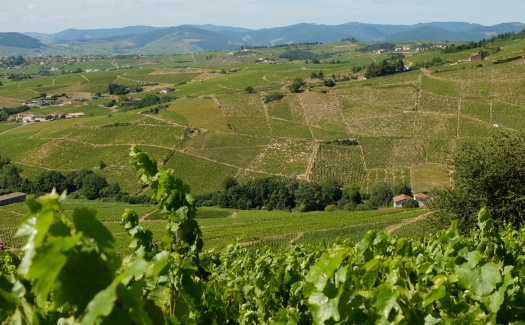
Region: Beaujolais
Town: Villié Morgon
Grape varieties Type of wine: Gamay
Surface area Winery: 7 ha
The wines of the Winery

-
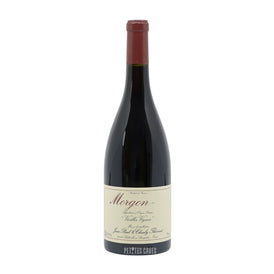
![Morgon Vieilles Vignes 2022 - Jean Paul and Charly Thevenet]()
Morgon VV 2024 | Jean Paul et Charly Thévenet
A bomb
Jean Paul - Charly Thevenet
Morgon Red 2024
27,90 €
These wines should also please you

-
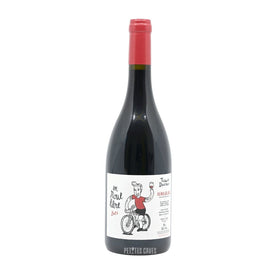
![Beaujolais rouge - Freewheeling 2022 - Thibault Ducroux]()
En roue libre 2024 | Thibault Ducroux
We bite into the fruit. nice juice
Thibault Ducroux
Beaujolais Red 2024
12,50 €
-
![La Galoche Rosé 2025 - Beaujolais - Winery]()
Favorite
Bio
-
![Beaujolais rouge - Freewheeling 2022 - Thibault Ducroux]()
En roue libre 2023 | Thibault Ducroux
We bite into the fruit. nice juice
Thibault Ducroux
Beaujolais Red 2023
12,90 €

We're talking to you about his Winery
|
Among the Thévenets, I ask for the father, Jean-Paul, and the son, Charly. Jean-Paul Thévenet: a true icon of natural wine! For over 30 years, he has been cultivating Beaujolais vineyards according to biodynamic principles. As early as 1985, he was one of the few—along with Marcel Lapierre—to produce healthy wines. Since then, the number of winemakers like him—influenced by Jean-Paul Thévenet—has been growing steadily in Beaujolais, and that’s a good thing. Back then, these wines were often rejected by the appellation under the pretext that they weren’t representative of the Morgon appellation. Unbelievable! The Winery located in Villié-Morgon, near the hamlet known as Le Clachet, on the edge of the Winery vineyards Winery it’s no coincidence. The Thévenet's Morgons? It's hard not to like them! Gourmet, nuanced, crisp and fresh wines, with deep notes of black fruits, touches of spices and an excellent ageing potential. In short, we love them. Let it be said, the Thévenet family in the Beaujolais still has many good years ahead of it! |
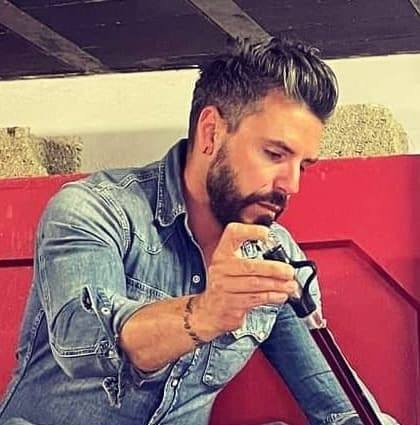
Charly Thévenet: a rich and varied career! Stays in the Loire Valley, in Italy, and—of course—with his father Jean-Paul, to learn the ins and outs of vineyard and winemaking. Then came the time to produce wine under his own name; the “Régnié” terroir offered advantages for setting up his business. First, its proximity to the heart of the family tradition. Second, because this little-known appellation offered plots that were easier to acquire than in other local appellations. In 2007, he settled there for good with 7.5 ares of vineyards under his belt and talent to spare. Gamay thrives here on south- and southwest-facing granite soils. Of course, as the saying goes, “the apple doesn’t fall far from the tree,” so the vines are cultivated according to biodynamic principles, without any inputs. Winemaking relies on natural yeasts and involves no added sulfur. Fermentation follows the region’s traditional method—carbonic maceration (lasting about fifteen days, or even longer depending on the vintage)—again, without the addition of external yeast. |