
Vin Nature : Our selection
Natural wines are the result of viticulture committed to the environment and the vine.





Bio
SO² free
It leaves no one indifferent
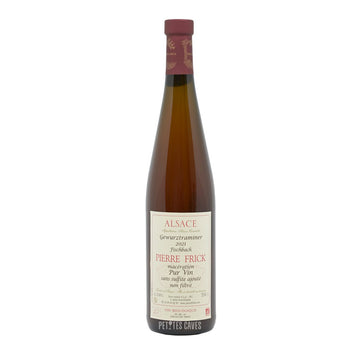
Pierre Frick
Alsace Orange 2021
30,60 €

Bio
SO² free
At the summit of Chasselas
Damien Bastian
Vin de France White 2024
19,95 €
Bio
SO² free
Bio
SO² free
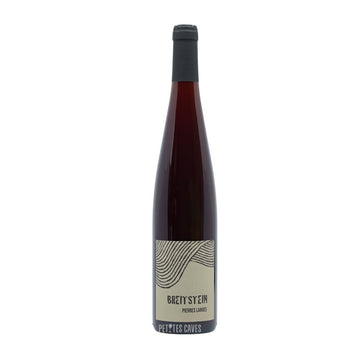
Bio
SO² free
A blend of 2 grape varieties on a beautiful terroir
Léo Dirringer
Alsace Red 2022
17,90 €
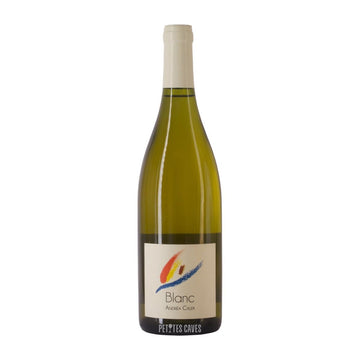
Bio
SO² free
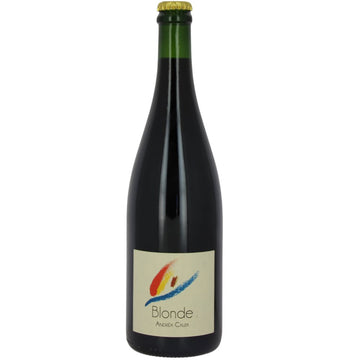
A high-flying blend. Powerful and taut...
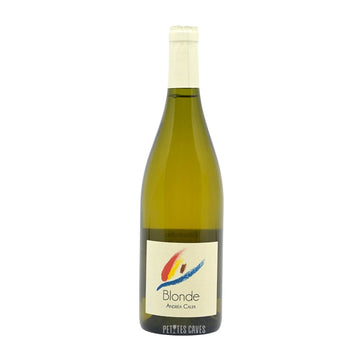
Andréa Calek
Vin de France White 2023
24,90 €
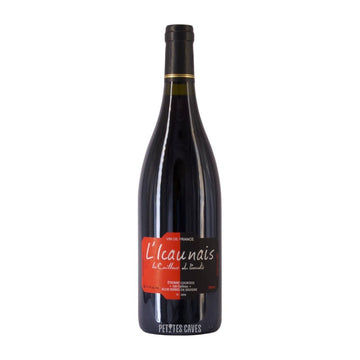
Bio
SO² free
A strange Grape variety for a VERY GREAT WINE!
Les Cailloux du Paradis
Vin de France Red 2022
37,90 €

Bio
SO² free
Sauvignons from another world :)
Les Cailloux du Paradis
Vin de France White 2022
32,50 €
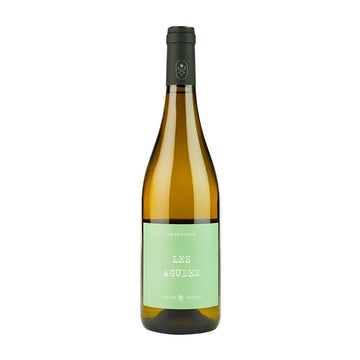
Bio
SO² free
a little aperitif white: fresh and available
Mas del Périé
Table wine White 2025
12,50 €
Bio
SO² free

Bio
SO² free
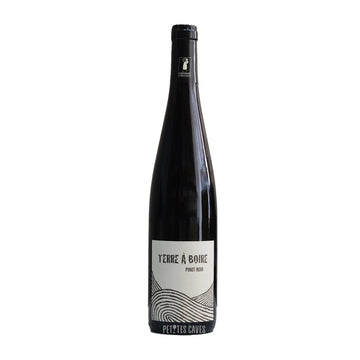
Tension and indulgence
Mas del Périé
Vin de France Orange 2025
14,90 €

Bio
SO² free
-10 %
Bio
SO² free
-13 %
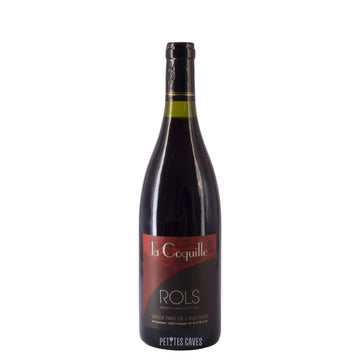
Pure Aveyron juice
Patrick Rols
Vin de Pays de l'Aveyron Red 2023
€15.90
€13.80
Bio
SO² free
Bio
SO² free
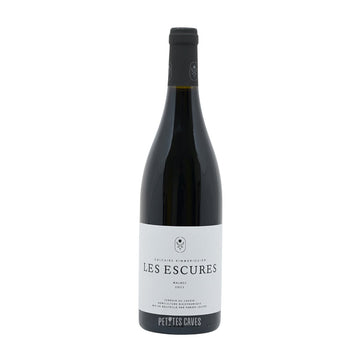
Thirsty malbec and malbec all the same!
Mas del Périé
Cahors Red 2024
14,50 €
Bio
SO² free
Bio
SO² free
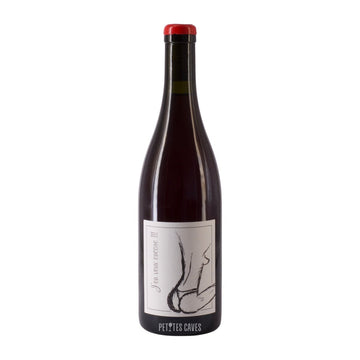
So are we!
Anne et Jean-François Ganevat
Vin de France Red 2024
29,90 €
Bio
SO² free
Bio
SO² free
Bio
SO² free
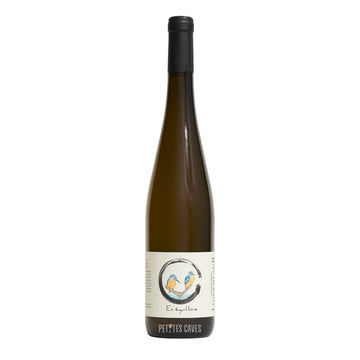
Magnificent Riesling
Christophe Lindenlaub
Alsace White 2024
17,50 €
Bio
SO² free
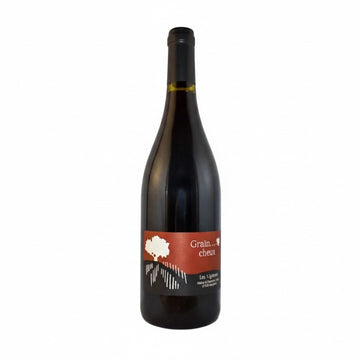
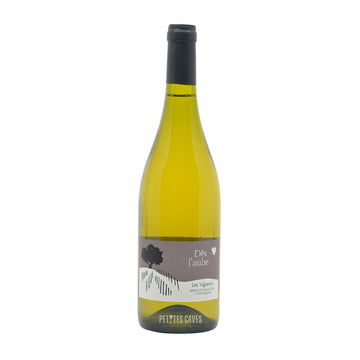
a crisp Viognier
Domaine des Vigneaux
Vin de France White 2023
13,90 €
Bio
SO² free
Anne et Jean-François Ganevat
Vin de France Red 2024
28,80 €

Bio
SO² free
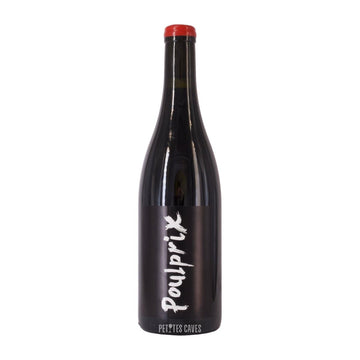
Right in the mouth: guaranteed pleasure
Domaine des Vigneaux
Vin de France Red 2024
10,90 €
Bio
SO² free
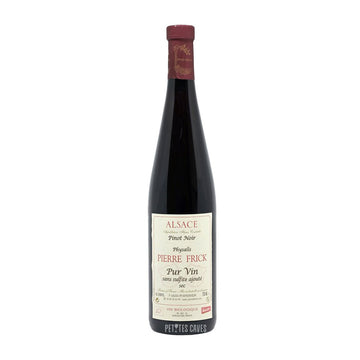
To enhance a meal
Pierre Frick
Alsace Red 2024
31,50 €
Choosing the right natural wine
Natural wine, unfiltered (no sulfites, no nonsense)
What exactly is natural wine?
Spoiler: It’s not a certification. Natural wine is, above all, a winemaker commitment that every winemaker to themselves—no mandatory official guidelines, just a shared conviction: as little intervention as possible, from grape to bottle. It starts in the vineyard, cultivated organically or biodynamically, and ends in the cellar, where the wine is made without additives and with virtually no added sulfur. The result: a lively wine, sometimes surprising, always authentic. To understand exactly where the line is drawn (and why it varies from winemaker to winemaker), check out our page dedicated to the natural winemaking method —required reading before making up your mind.
Organic, Biodynamic, and Natural: The Three in Competition
People confuse the two all the time, and it’s easy to see why. Here’s a quick, no-fuss refresher: organic farming governs vineyard cultivation according to European standards, with a strict ban on synthetic pesticides. Biodynamic farming takes it a step further, incorporating a lunar calendar and plant-based preparations—think of it as organic, but taken to the next level. “Natural” wine, on the other hand, doesn’t stop at the vineyard: it brings winemaking into the equation, with the goal of producing a wine that’s virtually “naked,” sulfites and all. In other words: every natural wine starts with organic or biodynamic viticulture, but the reverse isn’t true. QED.
How to Choose the Right Natural Wine?
Here, there’s no hierarchy—just affinities. The natural winemaking method expresses itself differently depending on the color and terroir, so the best place to start is with you: your tastes, your dinner plans, and what you’re in the mood for right now. Do you love supple tannins and crisp fruit? Check out our natural red wines. Looking for freshness and vibrancy? Our natural white wines await you. Curious about a more unconventional profile, somewhere between maceration and character? Natural orange wines are made to shake things up a bit for you. And if terroir guides you more than color,Alsace, Burgundy, and the Jura are among the regions at the forefront of this movement—a true playground waiting to be explored.
Sulfites: Fact or Fiction?
Sulfur is the big controversial topic (or a source of passion, depending on your perspective). In conventional wine, it acts as a bodyguard: an antioxidant and antibacterial agent, it stabilizes the wine and extends its shelf life. In natural wine, as little as possible—or none at all—is added, based on the belief that healthy grapes and careful winemaking are enough to do the job. The direct result: these wines age more quickly, are less tolerant of temperature fluctuations, and deserve to be enjoyed with a little more care. The trade-off? A more raw, more expressive wine that’s often more surprising on the palate.
What food and wine pairings work best with natural wine?
These wines love to be served cool—serve them slightly cooler than usual, and they’ll thank you for it. When it comes to food pairings, unfermented white and orange wines go perfectly with Mediterranean cuisine: roasted vegetables, hummus, Greek salad—anything crisp and sun-kissed. Natural reds, with their supple tannins and lovely acidity, pair very well with grilled meat or roast chicken. The real rule, though? There isn’t one. Natural wine invites experimentation more than it demands reverence—so taste, experiment, and create your own pairing guide.
FAQ
What is the difference between a natural wine and an organic wine?An organic wine adheres to specific guidelines for vineyard management, but there are no regulations governing its winemaking process. A natural wine goes a step further: it starts with organic or biodynamic viticulture and applies the same principles of non-intervention in the winery, with virtually no added sulfites.
Does natural wine really contain fewer sulfites?Yes. Sulfites are naturally present in all wine (as a result of fermentation), but natural winemakers limit the addition of sulfur during winemaking as much as possible—or eliminate it entirely.
How should you store natural wine?Since these wines are more susceptible to oxidation, it’s best to store them in a cool place, away from light, and avoid keeping them open for too long.
Can a natural wine be cellared?Some can, particularly full-bodied wines from experienced winemakers, but most natural wines are meant to be enjoyed young, while they’re still full of fruit and vibrancy.
What is the ideal serving temperature for natural wine?A bit cooler than its conventional counterpart: around 12–14°C for light reds, and 8–10°C for whites and orange wines.