
Le meilleur du Vin effervescent
Sparkling wines, with their fine bubbles and sparkling freshness, occupy a special place on tables the world over. They are synonymous with celebration and conviviality, whether toasting a special event or simply sharing a moment with friends. These wines stand out for their ability to brighten any occasion, thanks to their diversity of styles and flavors . They are made from different grape varieties, each bringing its own unique characteristics.


New

Bio
Bio
New

Bio
Life-saving tension
Champagne Bourgeois Diaz
Champagne White
41,90 €

Bio
Champagne Bourgeois Diaz
Champagne White
59,50 €

Bio

Bio

Bio
New

Bio
Lemony for a nice aperitif
Jean-Louis Denois
Quality Sparkling Wine White
15,90 €

The expression of a terroir
Laherte Frères
Champagne White
44,50 €

Bio
The elegance of a pure Chardonnay...
Francis Boulard et fille
Champagne White
54,90 €
Bio
New

SO² free

Fine Champagne!
Champagne Drappier
Champagne Rosé
49,90 €

Freshness and purity
Champagne Drappier
Champagne White
42,90 €

Bio
Fine Champagne!
Champagne Drappier
Champagne Rosé
49,90 €

Bio
Citrus tension
Jean-Louis Denois
Quality Sparkling Wine White
15,90 €

Bio
SO² free
Emilien Feneuil
Champagne Rosé 2021
97,00 €

Bio
It's crystal-clear and sharp! Great!
Francis Boulard et fille
Champagne Grand Cru White
56,90 €

Bio
Fine, fruity Champagne Bio Extra Brut
Julie Dufour
Champagne White
58,90 €
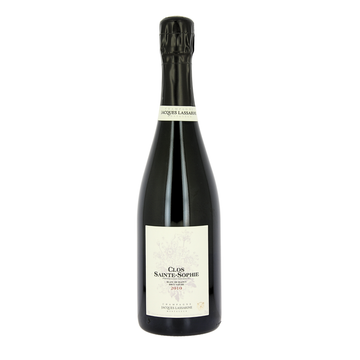
But how lucky we are
Jacques Lassaigne
Champagne White 2010
220,00 €

Bio
Beautiful wine complexity
Champagne Thomas de Marne
Champagne White 2022
61,00 €


Bio
A GRAND Crémant
Christophe Lindenlaub
Crémant d'Alsace White
14,80 €
Sparkling wines: our selection
What is sparkling wine and how is it produced?
A sparkling wine is distinguished by its fine bubbles, the result of carbon dioxide (CO2) dissolved in the wine. This gas is produced naturally during fermentation, but for sparkling wines, the process is taken a step further. There are two main methods for producing sparkling wines: the traditional method (or méthode champenoise) and the Charmat method (or closed tank).
The traditional method, used for Champagne wines, involves a second fermentation directly in the bottle. After adding sugar and yeast, the wine re-ferments, trapping CO2 in the bottle and creating the characteristic fine bubbles. This is a lengthy process, requiring at least 15 months' cellar ageing for Champagne, enabling the wine to develop complex aromas.
The Charmat method, on the other hand, is faster and used for wines such as Prosecco. Here, the second fermentation takes place in a large pressurized tank before bottling. Wines produced by this method have lighter bubbles and focus more on fresh fruit aromas. Both methods offer a wide range of styles, from dry wines (brut) to sweeter wines (demi-sec), each with a different sparkling texture.
What's the difference between sparkling wine and effervescent wine?
The terms "sparkling wine" and "effervescent wine" are often used interchangeably, but they don't mean exactly the same thing. Although both types of wine contain carbon dioxide (CO2), which is responsible for bubbles, there are important differences between them.
Sparkling wine is a generic term that encompasses all types of wine containing bubbles. This includes Champagnes, Proseccos, Crémants, Cavas and other sparkling wines. The carbon dioxide in these wines is the result of fermentation, which can take place using different methods, such as the traditional method or the Charmat method. This gas is trapped in the bottle, creating bubbles that can be more or less abundant, depending on the wine.
The term sparkling wine, on the other hand, generally refers to wines that contain less carbon dioxide pressure than traditional sparkling wines. Sparkling wines can have lighter, more subtle bubbles, giving a softer mouthfeel. The pressure in a bottle of sparkling wine is generally less than 2.5 bar, whereas in a sparkling (or effervescent) wine, the pressure can reach 3.5 bar or more. Examples of sparkling wines include Moscato d'Asti from Italy and certain vins perlants from France, which are slightly effervescent and often sweeter.
The difference in pressure and production is also reflected in the mouthfeel. Sparkling wines have more persistent bubbles, often bright and vivid, which add freshness and acidity, while sparkling wines have a more discreet effervescence, with finer bubbles that disappear more quickly. This can also affect food pairing. Sparkling wines, which are livelier and more structured, go well with rich dishes such as seafood or cheeses, while sparkling wines, which are sweeter and lighter, are ideal with desserts or more delicate dishes.
What are the main sparkling wine appellations and what distinguishes them?
The world of sparkling wines is vast and varied, with numerous appellations from wine-growing regions all over the world. Each appellation is distinguished by its terroir, grape varieties and specific production methods. Here's an overview of the main sparkling wine appellations and what makes them unique.
Champagne (France)
The Champagne region is without doubt the most famous appellation for sparkling wines. Located in northeastern France, it is world-renowned for its wines made using the traditional (or champenoise) method, with a second fermentation in the bottle. Champagne is produced mainly from three grape varieties: Chardonnay, Pinot Noir and Pinot Meunier. What distinguishes Champagne, apart from the production method, is its prolonged aging on lees, which gives it complex aromas of brioche, almonds and sometimes dried fruit. Champagne can be brut (very dry) or demi-sec, and there are even more prestigious vintage versions (from a single year).
Prosecco (Italy)
Prosecco is an Italian sparkling wine produced mainly in the Veneto region, from Grape variety Glera grapes. Unlike Champagne, Prosecco is made using the Charmat method, in which the second fermentation takes place in large pressurized vats before bottling. This preserves the fresh, fruity aromas, with notes of apple, pear and white flowers. Prosecco is generally more affordable than Champagne, and its bubbles are lighter, perfect for an aperitif or light dishes.
Cava (Spain)
Cava is a sparkling wine produced mainly in Catalonia, Spain, using the traditional method, much like Champagne. Grape varieties used for Cava include Macabeo, Xarel-lo, and Parellada, local varieties that bring aromas of white-fleshed fruit, citrus and sometimes hazelnut. Cava is often drier than Prosecco, with lively acidity and persistent bubbles. It's an excellent alternative to Champagne, with good value for money.
Crémant (France)
The term Crémant refers to sparkling wines produced outside the Champagne region, but using the same traditional method. Crémants can be found in several regions of France, including Alsace, Burgundy, Loire and Jura. These wines are often made from local grape varieties, such as Chenin Blanc for Crémant de Loire, or Pinot Blanc for Crémant d'Alsace. Crémant is distinguished by its fruity and floral aromas, and is generally more affordable than Champagne while offering similar quality.
Moscato d'Asti (Italy)
Moscato d'Asti is a sparkling wine produced in Piedmont, Italy, from Grape variety Muscat Blanc grapes. Unlike other sparkling wines, Moscato d'Asti is slightly fizzy (frizzante) and contains more residual sugar, making it sweet and perfect with desserts. Its aromas of peach, apricot and orange blossom make it irresistible to those who prefer sweet, light wines.